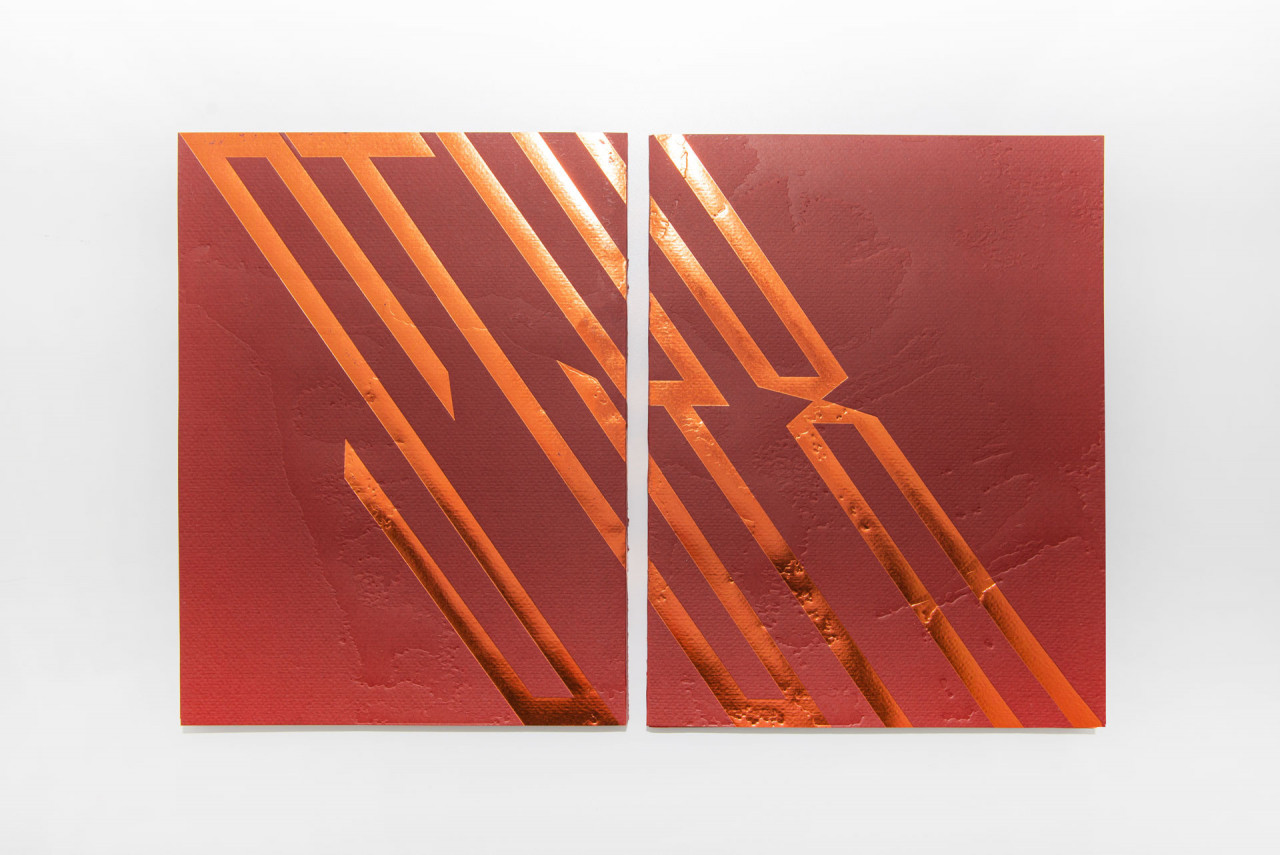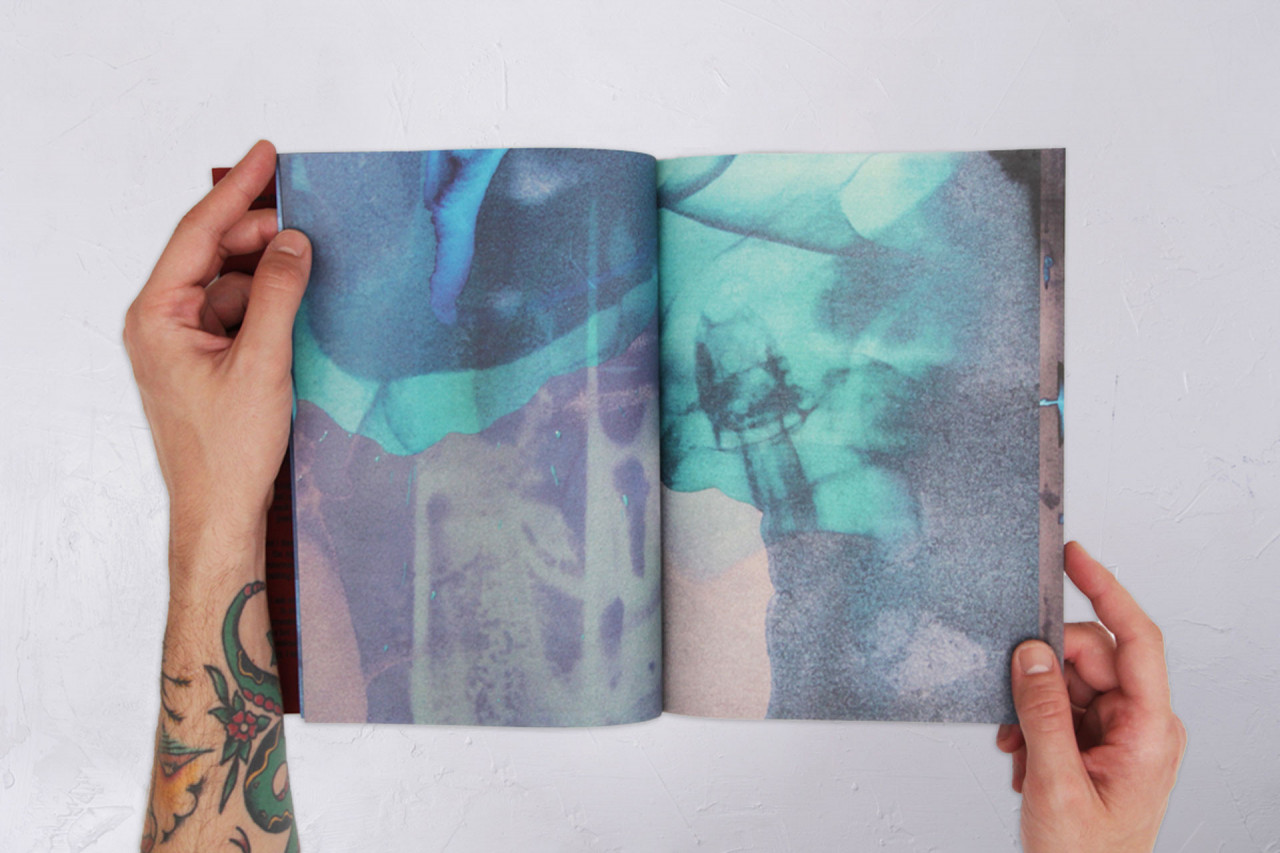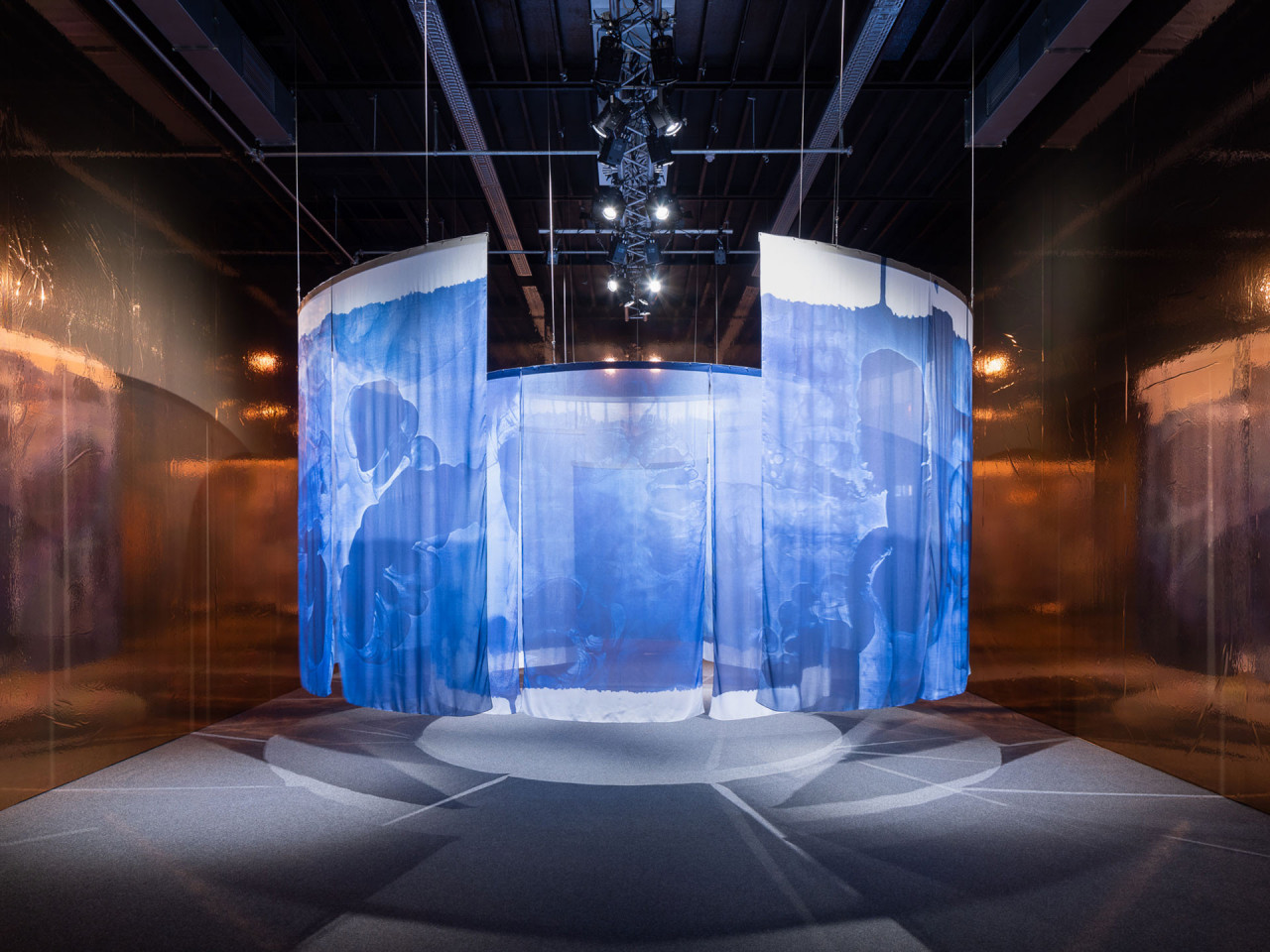
In Styx Alix Marie draws on the eponymous mythical figure both goddess and river, to explore water deities and their contemporary manifestations and the intersection between the body and its representation.
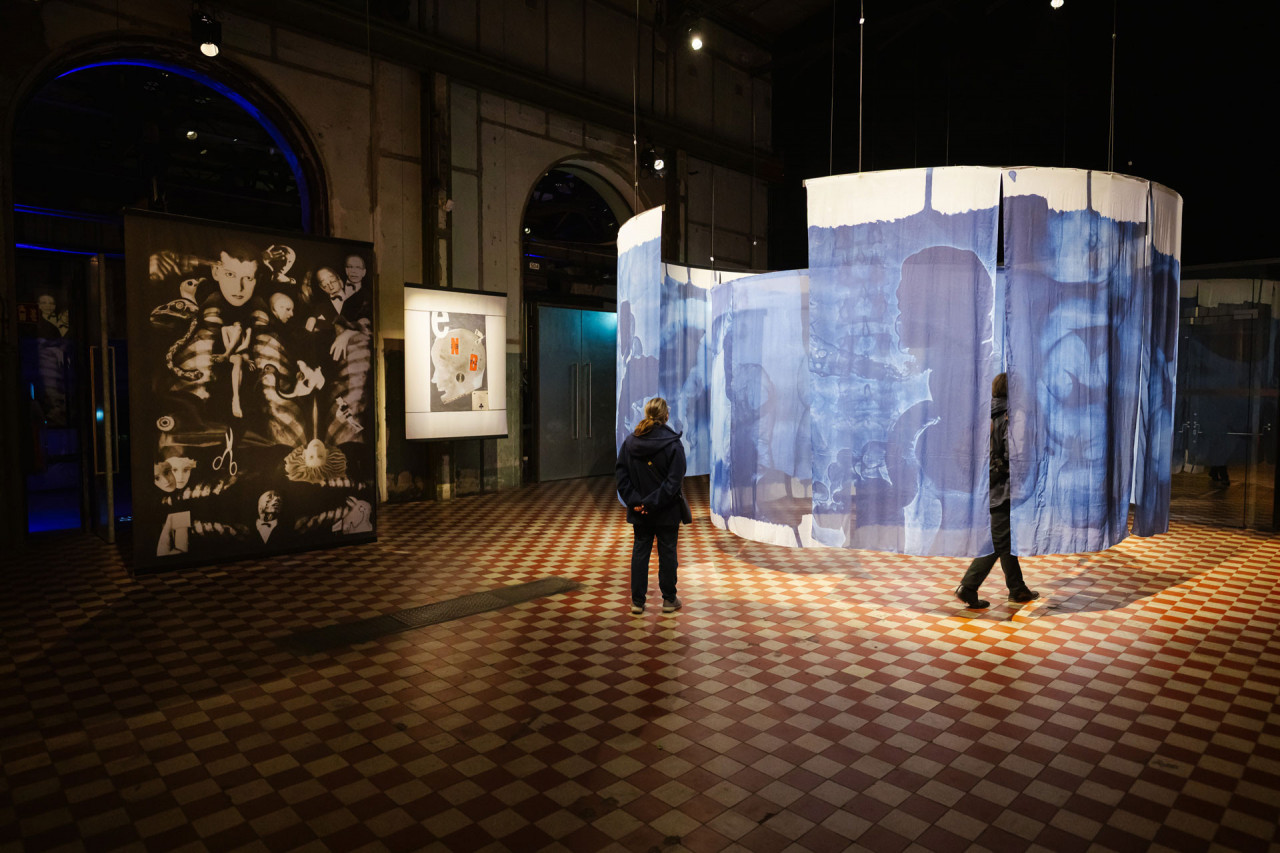
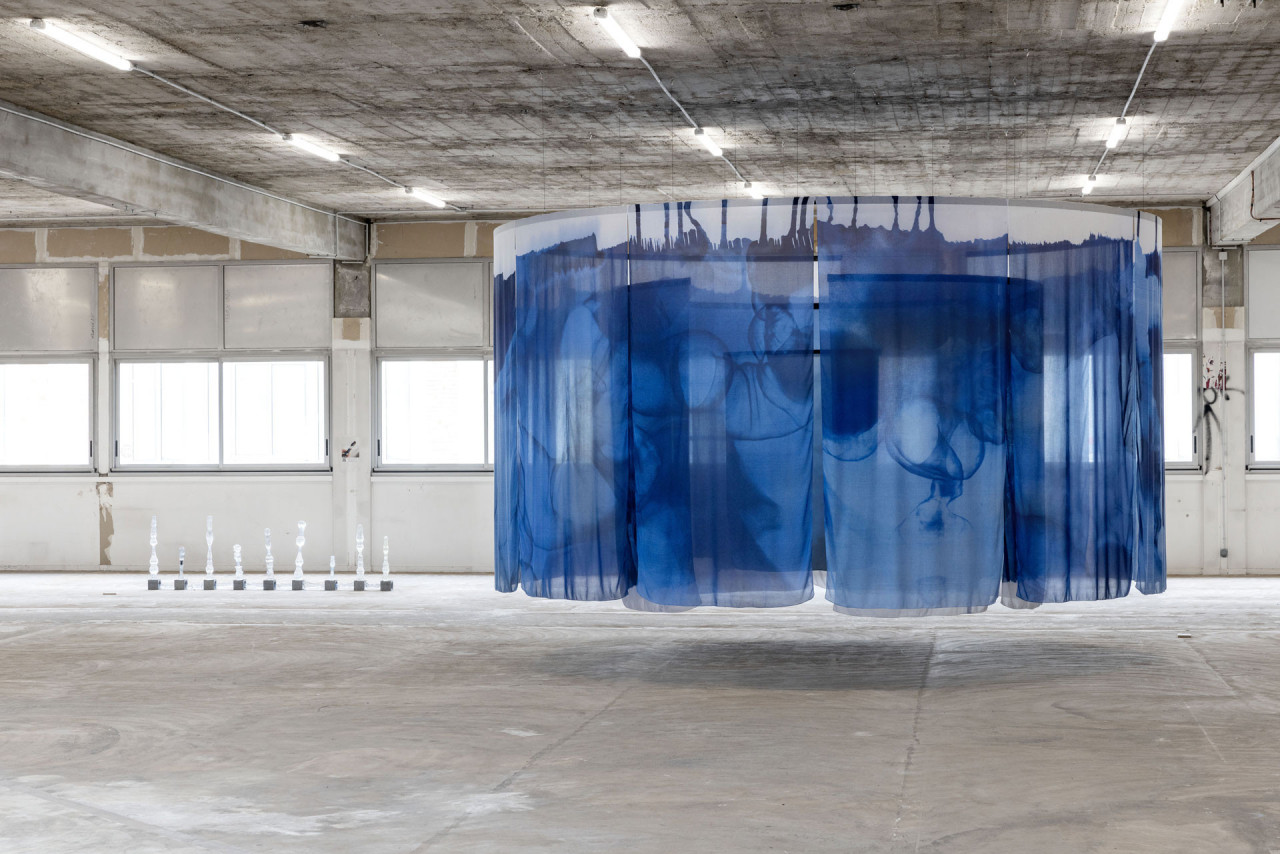
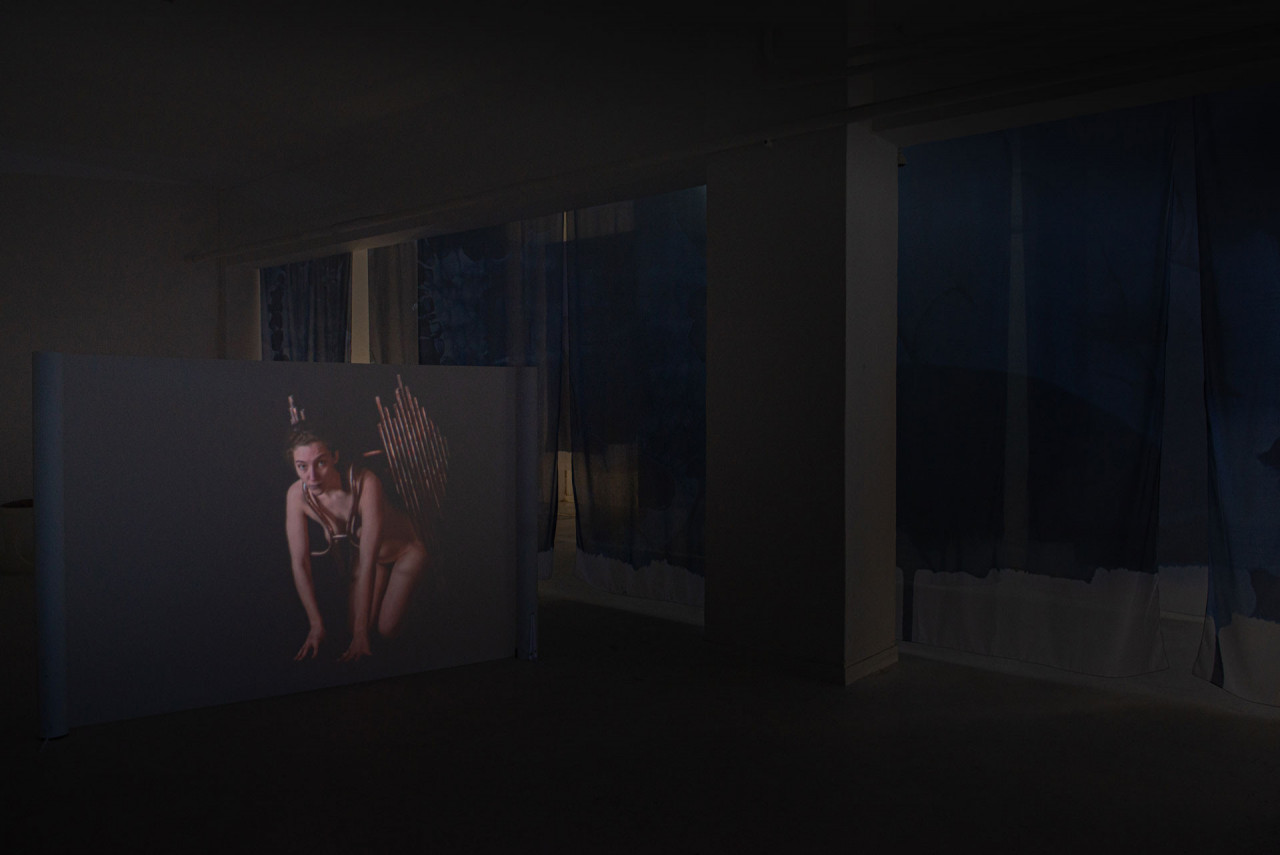
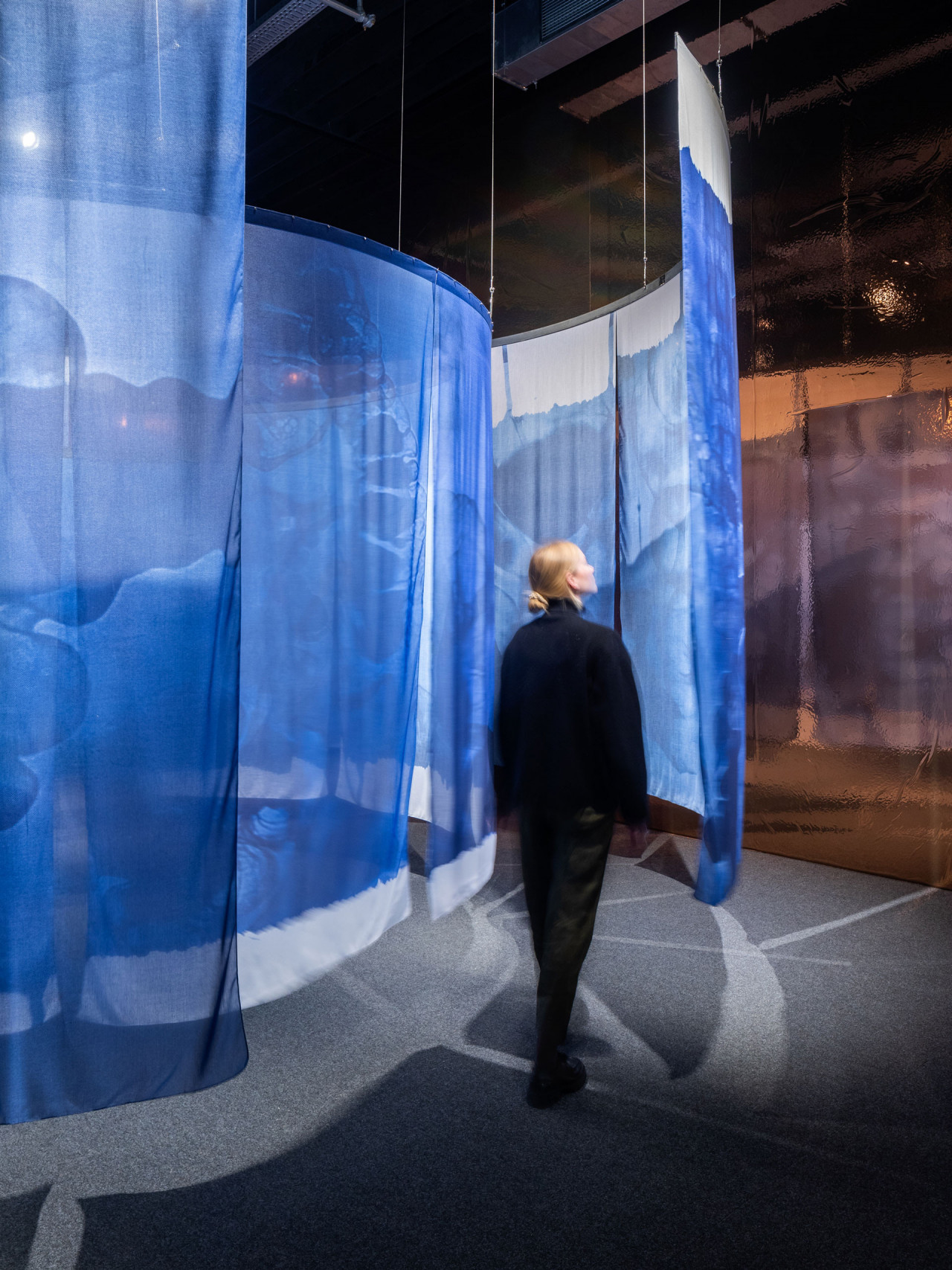
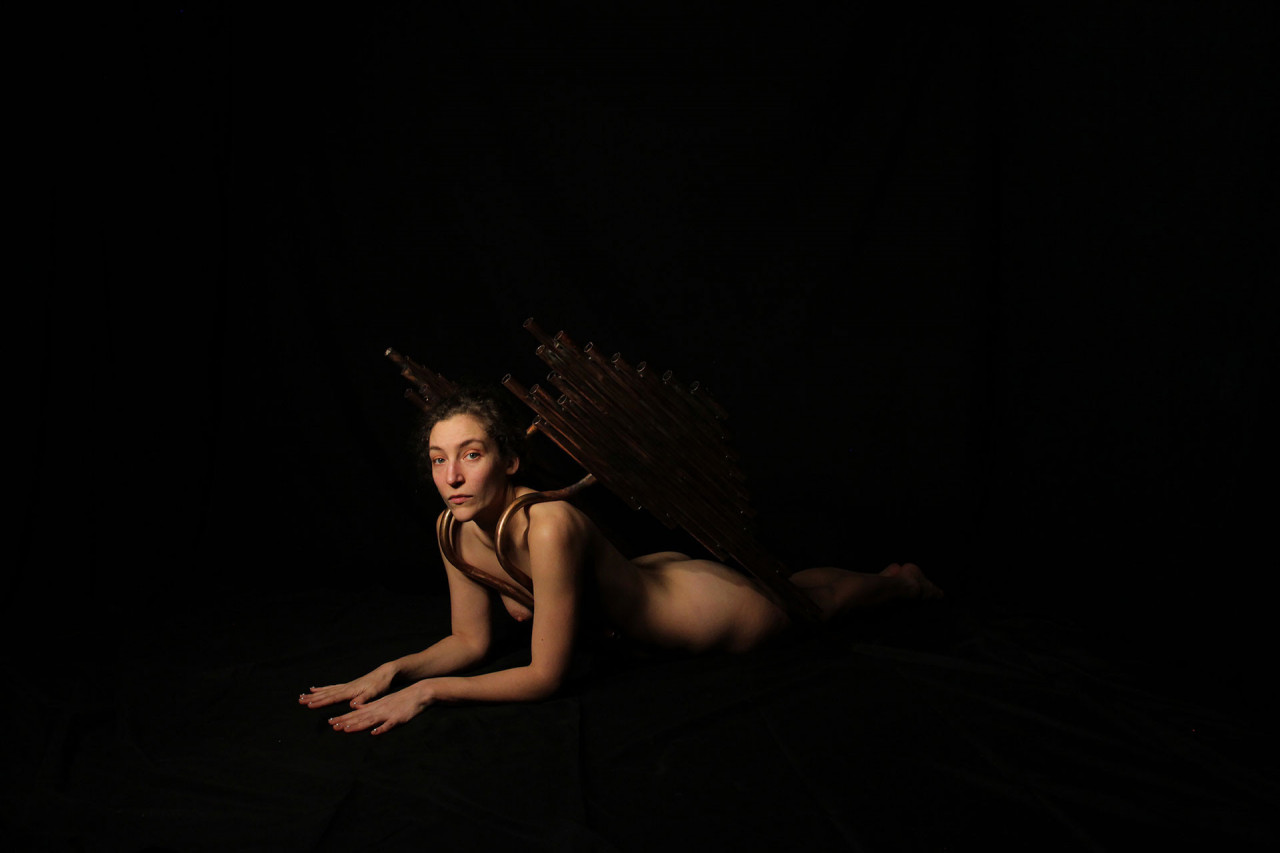
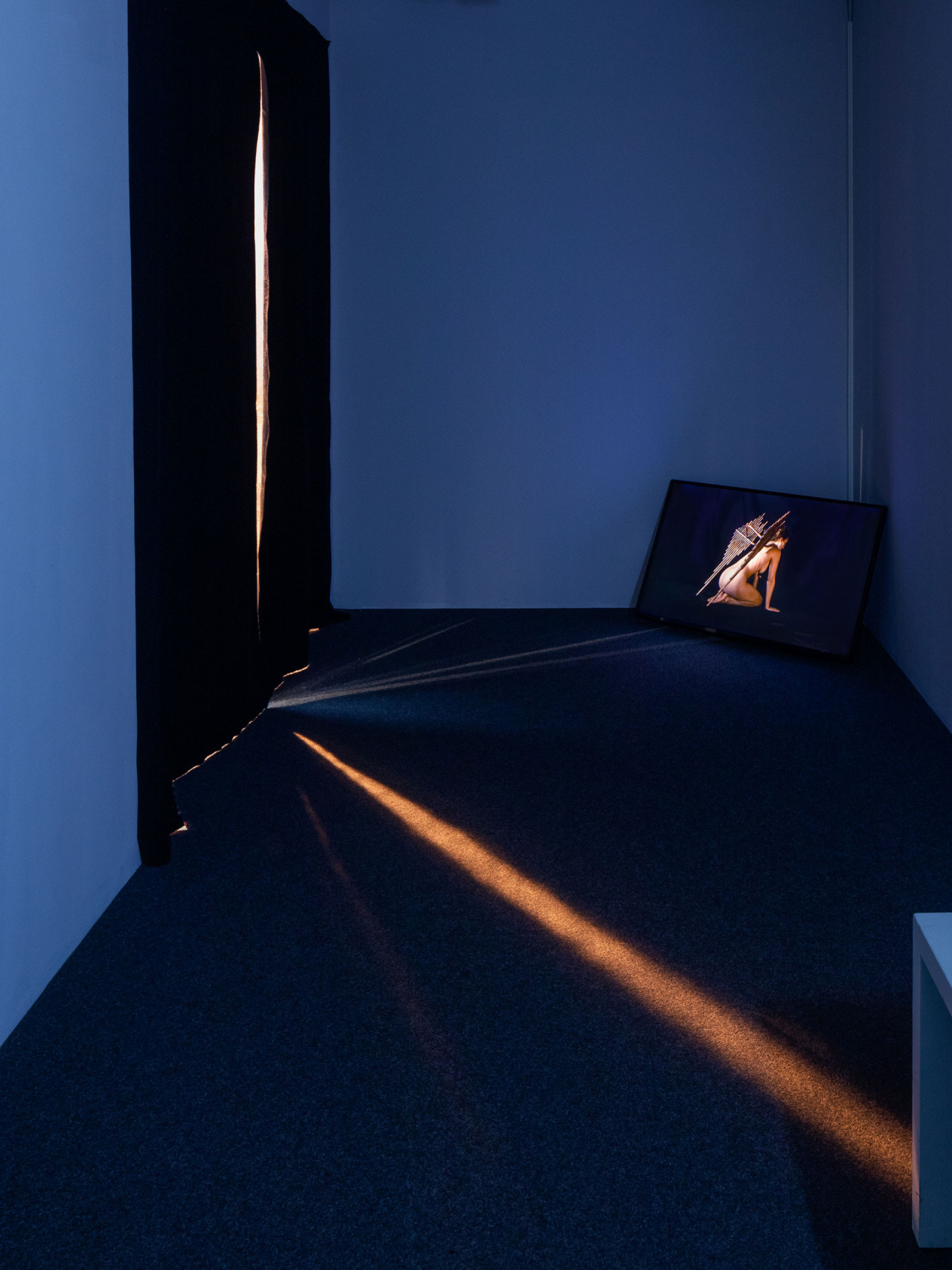
The circular installation invites you to walk inside and find your way to the center. In the other spaces, the deity takes on a human form. In the darkness, the goddess appears suspended in the center of the room, kneeling, naked, and boldly returning her gaze to the viewer. Embodied by Marie’s longtime collaborator, performer and writer Nina Boukhrief, the goddess’s voice surrounds the space, reflecting on death, light, and life.
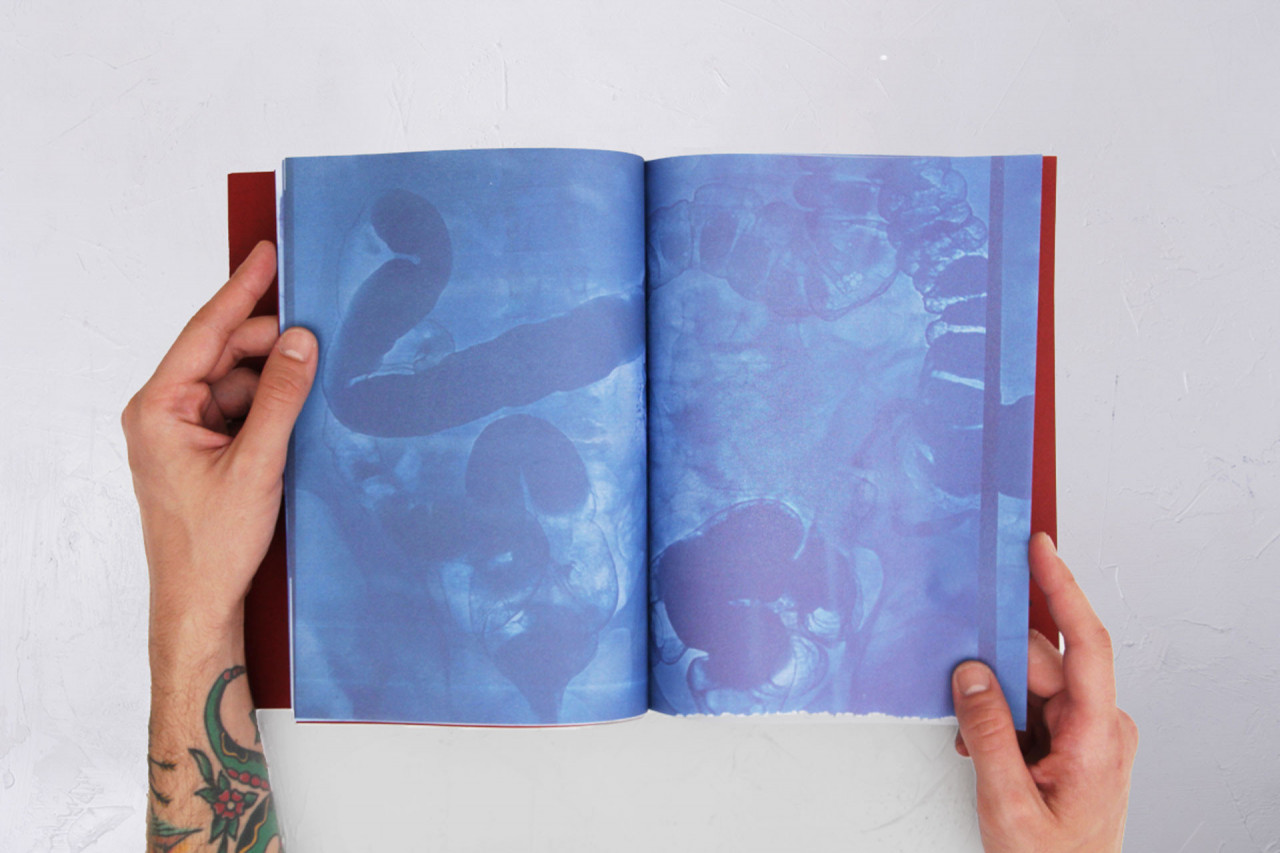
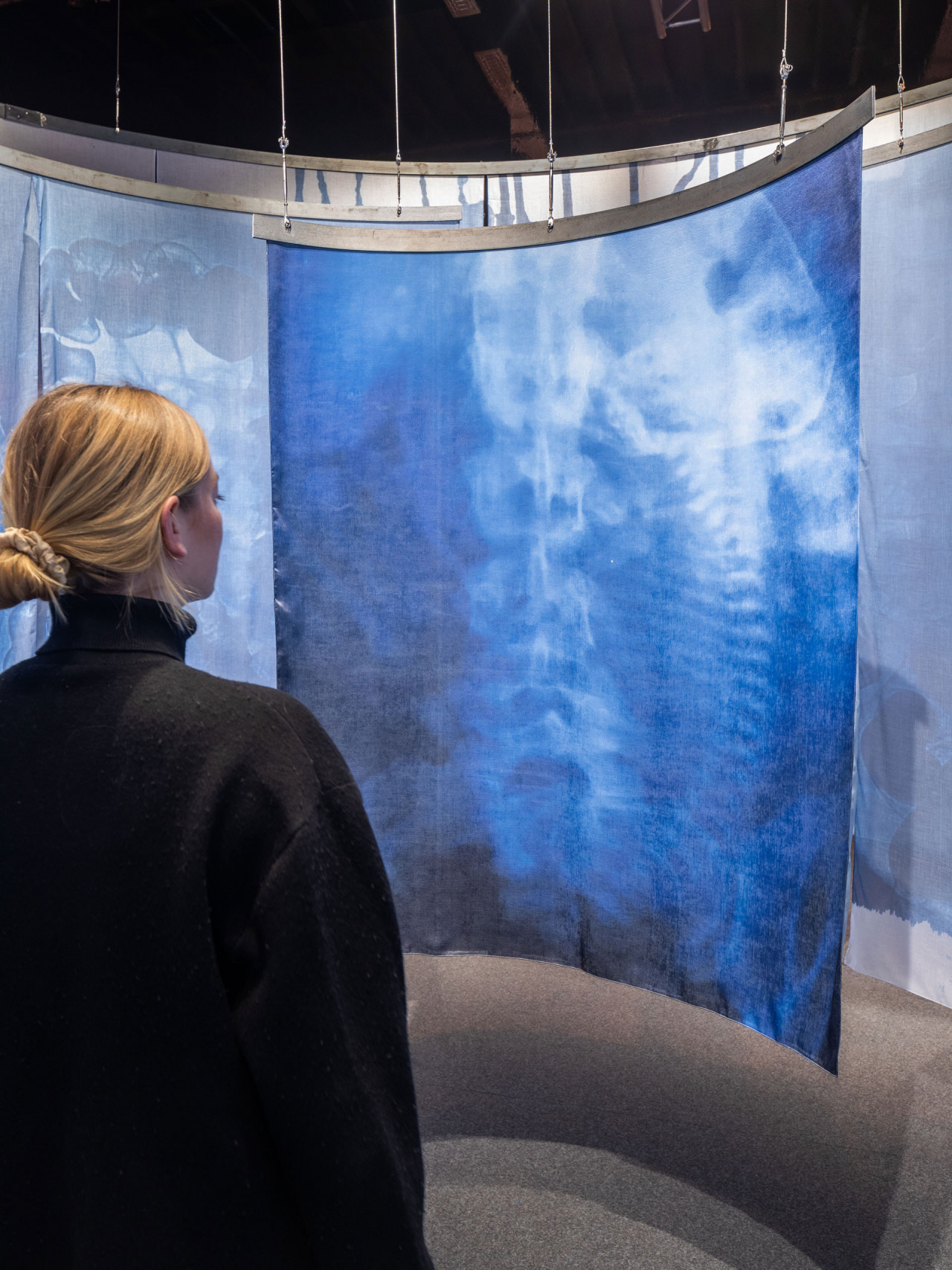
With this project, for Marie the idea of going through and seeing through was omnipresent. Going through an experience, as with the pandemic or mourning, going through spatially translated in the installation with the labyrinthic form, as well as seeing through: with the use of translucent fabric or seeing through the body with the use of x-ray.
Styx was originally co-commissioned by Photoworks and the Ballarat International Foto Biennale, 2021.
Crossings - Rebecca Lewin
Depending on how one encounters Marie’s new body of work, the presence of myth-making as a human ritual and as an ongoing obsession within her practice may not be immediately apparent. But its constituent parts – the labyrinth, the apparition, the proclamation, and the figure of the goddess-messenger – are so many breadcrumbs. In previous work, Marie has referred to gods, goddesses and hybrid bodies, replicated parts of herself and scrutinised the beautiful flaws of others, built forms that breathe and surfaces that sweat, often turning flat images into tantalisingly haptic sculptures and installations.
In Styx, she has returned to classical mythology again, and offers a first interpretative foothold in the title of the work. Inspired by the forced experience of making work remotely, removed from this space by ocean and land, restricted by the global pandemic (about which we will no doubt tell each other stories for years to come), Styx meditates on the contrast between the enforced rest of the imprisoned and of the dead, and enforced movement. The historic experiences of human bodies traversing water – as punishment, in chattels, to trade/as trade – these crossings, both literally and metaphorically, represent a morphing from one known state (nation/mode of being) into another.
Like humans, myths travel, from mouth to ear, following people from place to place, proving the existence of the path behind, anchoring the now in the everafter, reassuring in their predictions, unpredictable in their mutability. Their movements cannot be controlled, but they are sometimes caught: they land on parchment and paper, are carved into and out of stone, and since the development of computers, flit through copper and lithium and silicon. They are woven into tapestries and painted onto surfaces; they are projected onto stretched cloth. Their capture is of paramount importance in human culture: as the philosopher Édouard Glissant (1) remarked, the loss of memory, language and storytelling had profound implications for the enslaved. For him, transatlantic crossings created ‘a reverse image of aIl that had been left behind, not to be regained for generations except – more and more threadbare – in the blue savannas of memory or imagination.’1
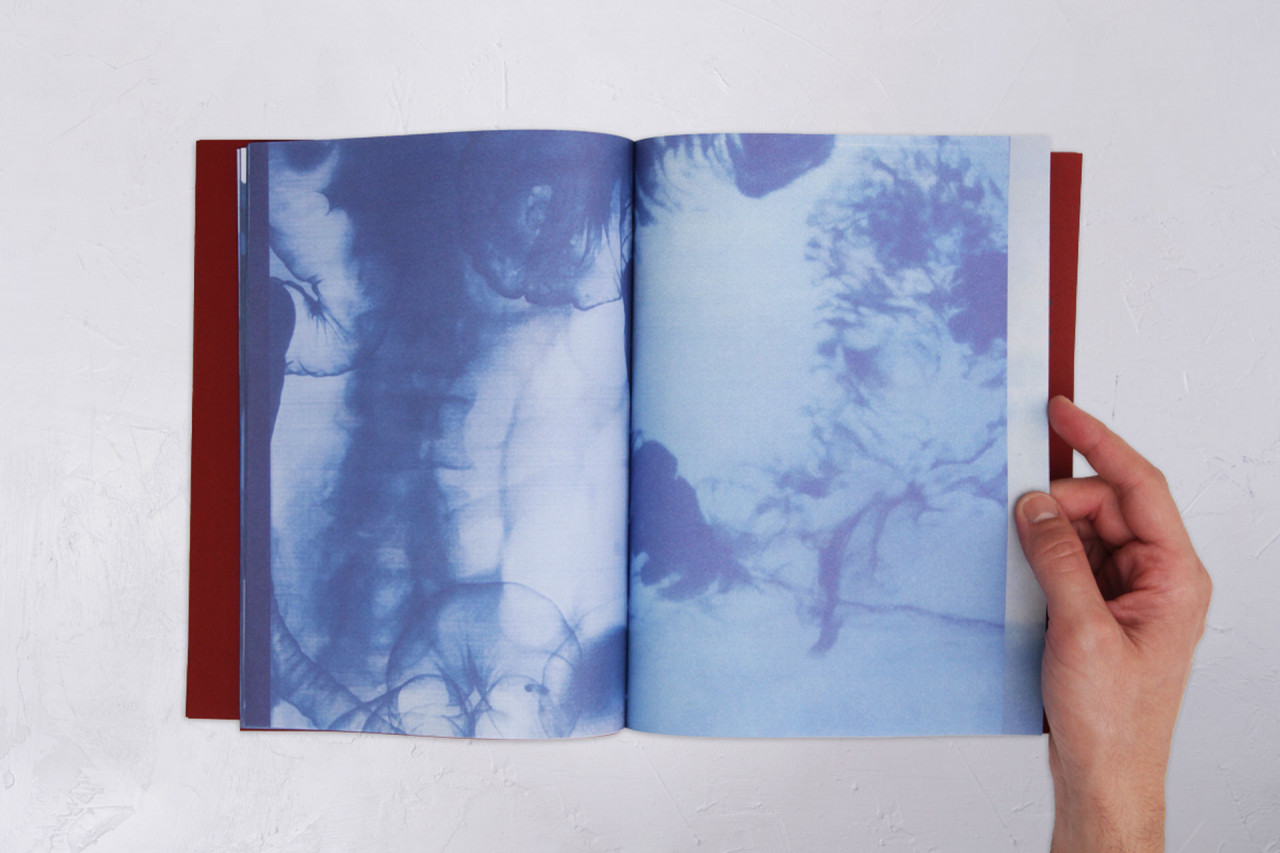
The metamorphosis of the story, its mutations and variants (to use terminology that has become sickeningly familiar in the last two years) is reflected in the images we make to understand it. Human forms appear throughout ancient mythologies, but they are rarely fully recognisable. In the Classical Greek sources to which Marie so often refers, hair becomes snakes, feet flip into tails, arms outstretched flap, feathered. Marie has brought together a curious mixture of technologies to create these images – the cyanotype, the x-ray, and the hologram – but the history of each invention is one that has expanded or undermined the sovereignty of the human body in a way that echoes ancient myths. The cyanotype, arguably the earliest form of photography, led to the mechanical fixing of human likenesses onto a surface for longer than the lifespan of an individual (was Medusa the first photographer?); the x-ray dissolved the obscuring protection of skin, allowing us to see through it ; and the hologram has replicated the living and revivified the dead, apparently in three dimensions.
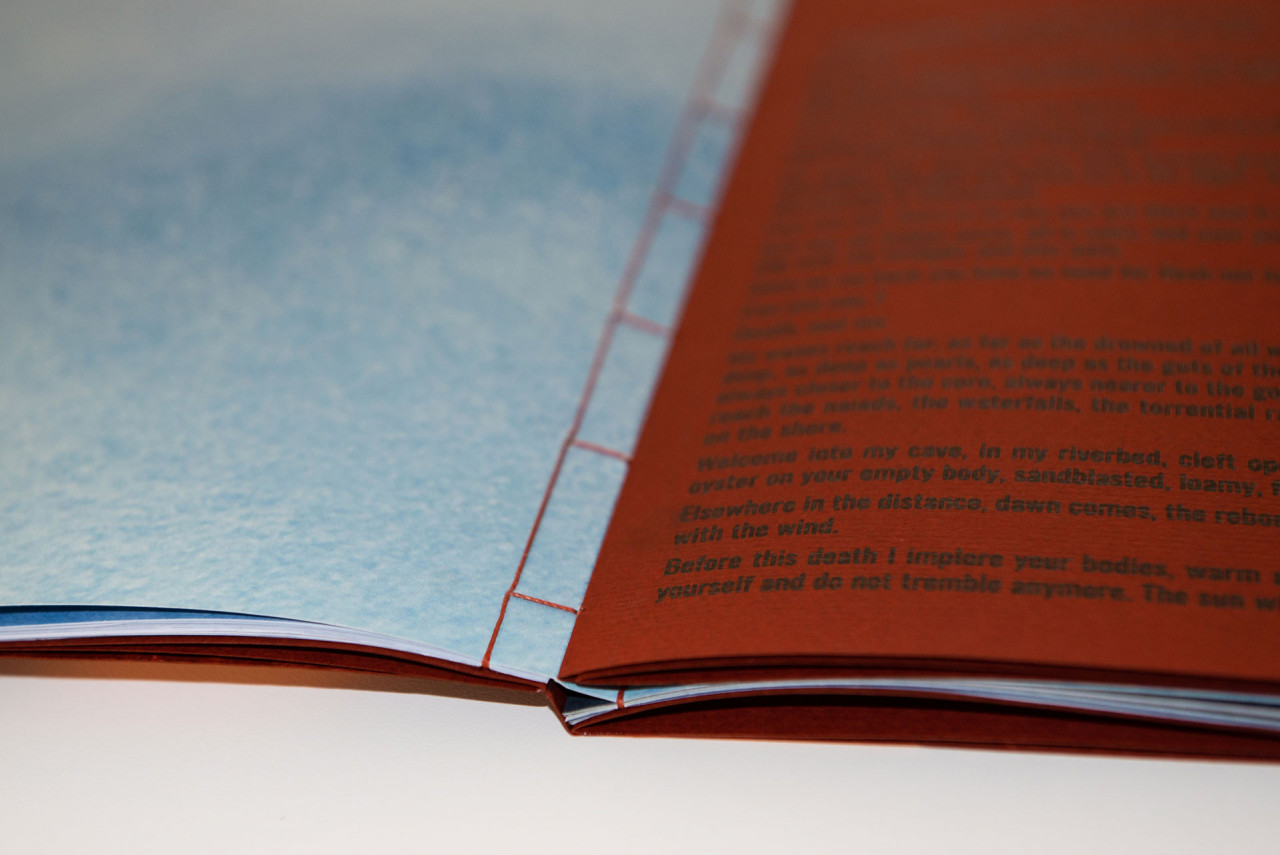
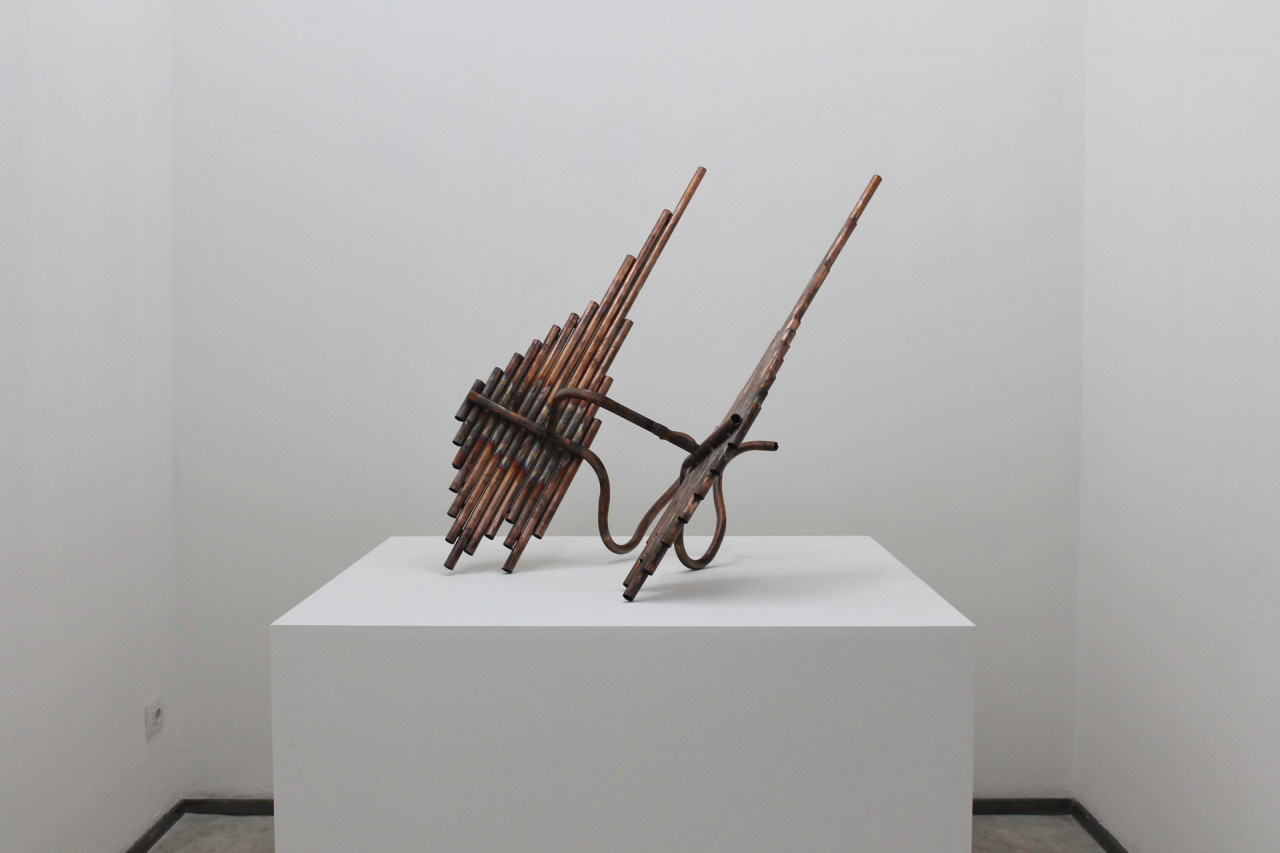
The story offered by the voice of the narrator that accompanies the hologram describes many deaths, processes of transformation, and travel. As it does, the female form takes on the mantle in front of her. Is she the corpse mentioned by the voice, accepting her fate? Or are her golden wings a clue to her identity – Iris, the messenger of the gods, who travelled between the earth and heavens on rainbows, who could put liars to sleep with water from the River Styx, or grant passage to death? The text, written by Marie’s collaborator Nina Boukhrief, is a prayer, or an invocation. Perhaps more than a specific deity, it seems to be liquid itself that is speaking to us, accompanied by the sounds of waves and chimes, while it states: “I am water.”
From the movement of a story and its telling through time and space, and the implied movements of bodies through and across waters, the visitor’s own movements through this installation implicates and enfolds them in a parallel experience. They may choose to follow the source of the voice to the hologram, or to look for the centre of the labyrinth, behind curves of blue fabric. These will no doubt move and ripple as they pass, covered with light and shadows cast by abstract shapes that occasionally resolve themselves into the bulge of an intestine, or the crack of a joint. By moving into this tinted space, they are responding to the invocation: “I flow and the passage is inescapable. Fear me not, there is no use, as you are on time.”
Édouard Glissant, Poetics of Relation, translated. Betsy Wing (Ann Arbor: the University of Michigan Press, 1997) p.7.
Rebecca Lewin is Curator of Exhibitions and Design at the Serpentine Galleries.